Land Centred Relational Ecology
The liminal space between human, animal, plant, and material life.
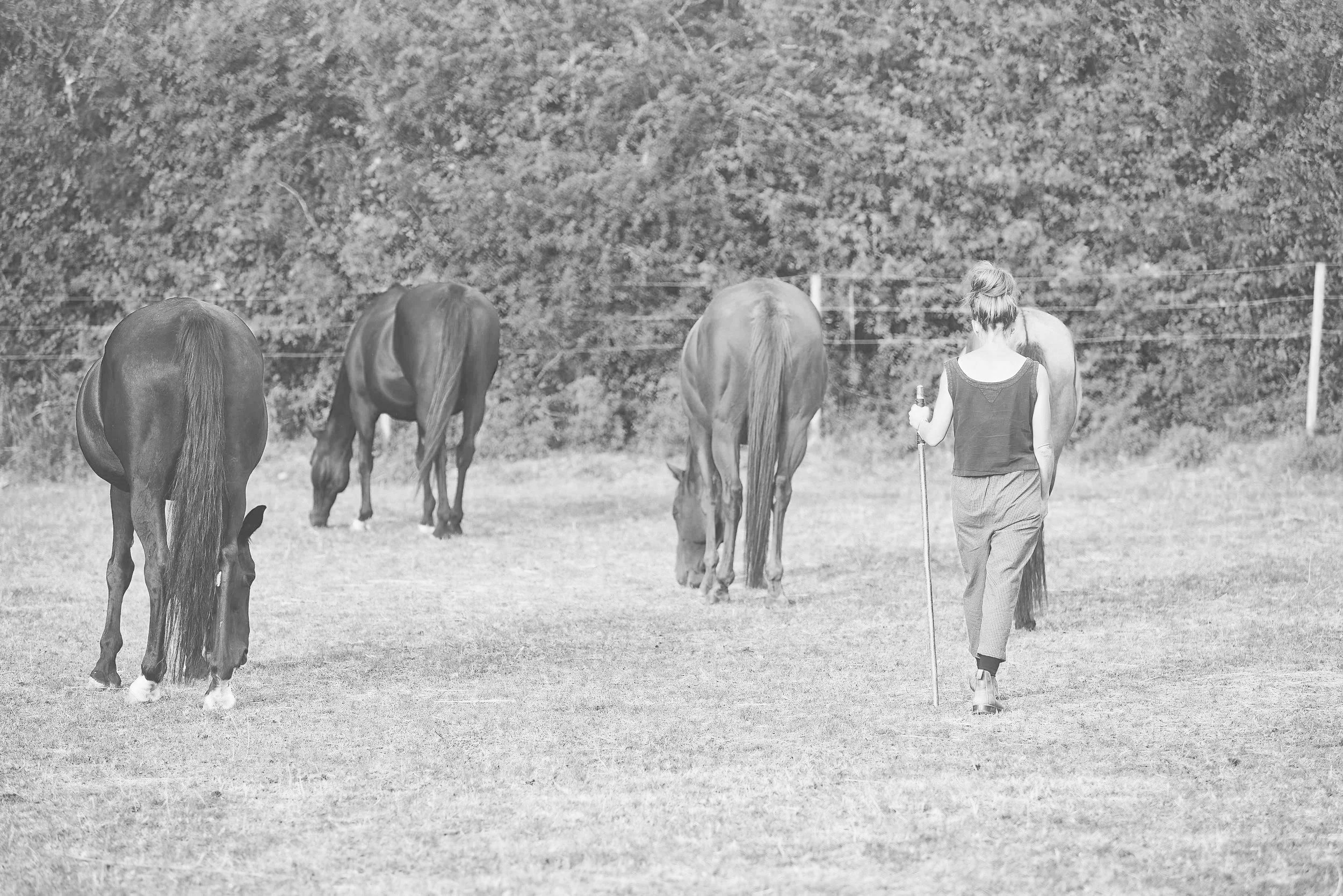
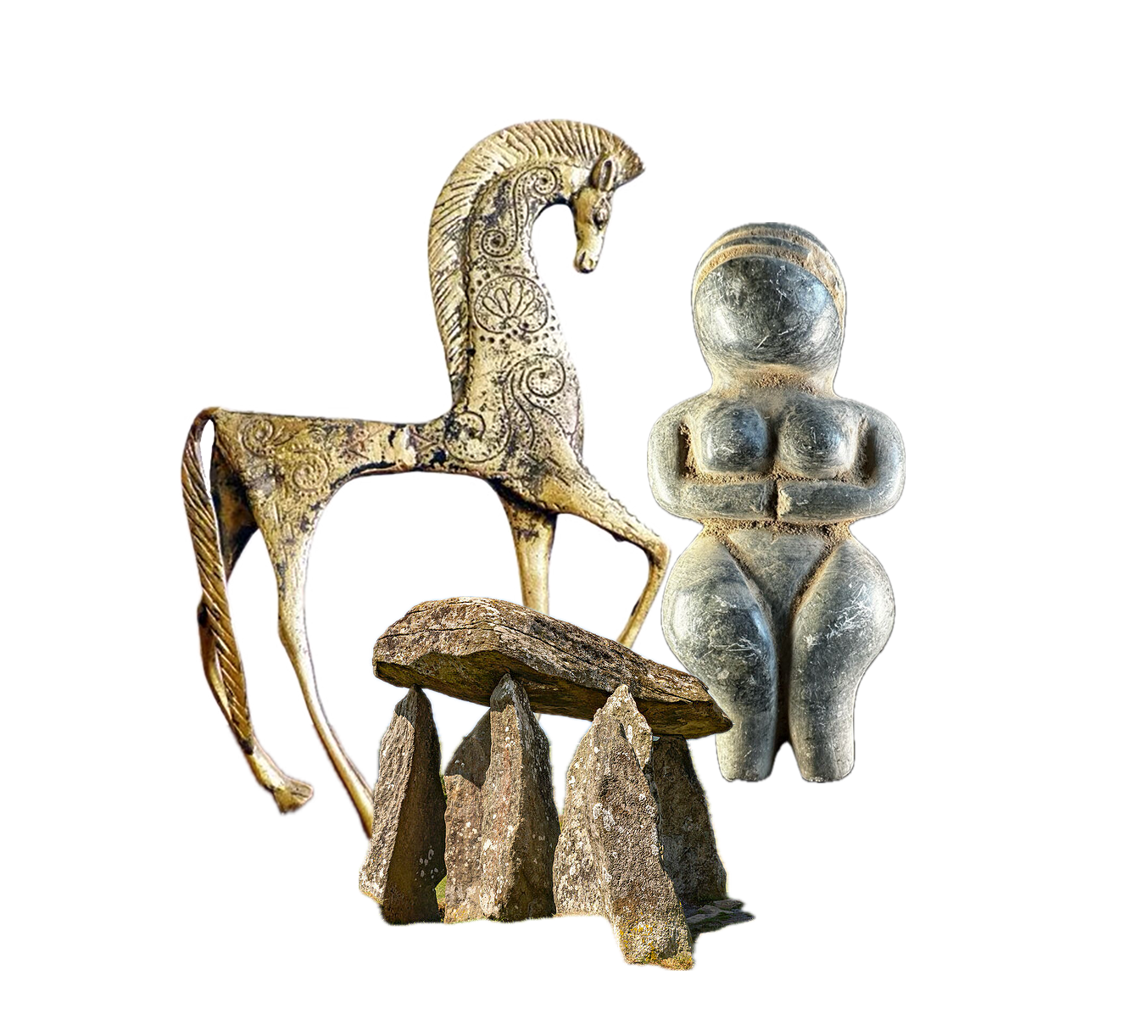
tērra animá is a land-centred organism informed by relational ecology.
It takes shape through ongoing relationship between land, animals, human presence, and material conditions, maintaining coherence through continuity, responsiveness, reciprocity, and kinship. This organism understands life as relational. Land and animals are recognised as living participants with their own integrity, histories, and trajectories. Human presence is part of this ecology, shaped by attentiveness and responsibility.
Some aspects of the work are practical and ongoing, arising from living with land over time. Others involve human engagement, held lightly, and proceed through sustained, embodied attention to land and living systems.
tērra animá explores ways of holding land, life, and human presence in symbiosis. It commits to ongoing inquiry and research, allowing understanding to emerge through sustained attention rather than predetermined outcomes.
ETHOS
LAND + ANIMALS _01
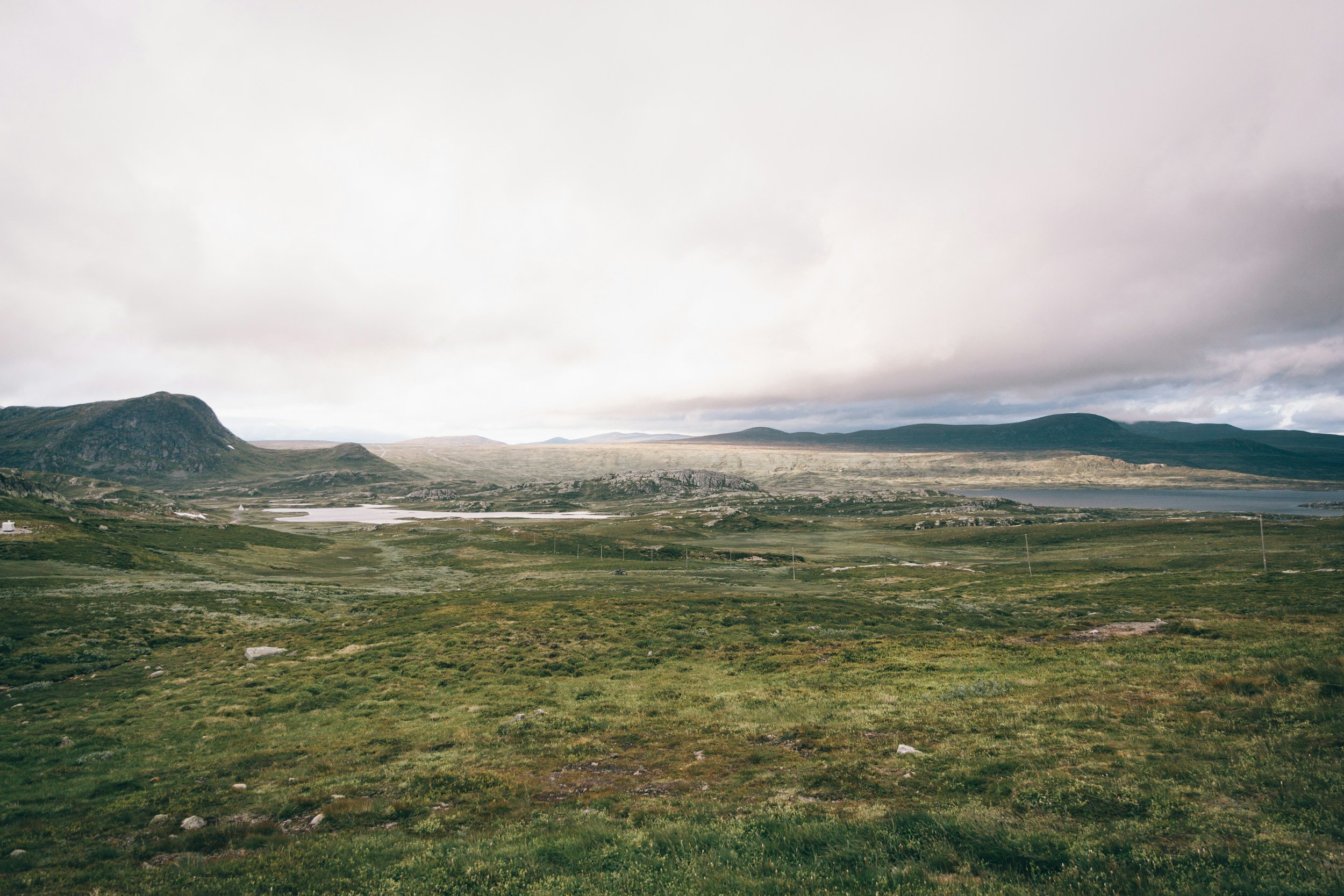
The ongoing relationship between land and animals attends to soil, vegetation, seasons, weather, and movement, without treating either land or animals as tools for predetermined outcomes. Decisions are made in response to specific conditions and environmental factors, with the well-being of living systems held in view. The approach remains provisional and adaptive, recognising uncertainty and the limits of human control within complex ecologies. Animals are regarded as subjects, and land as a living system with its own histories and processes.
The focus is on engaging with what already exists and what has come before, allowing patterns to emerge over time through repetition and continuity. This work proceeds gradually, recognising that land change is slow and that responsibility lies in sustained attention rather than intervention. The approach complements established ecological and conservation knowledge without claiming authority over it, and remains open to new avenues of inquiry as they arise through practice.
tērra animá is currently seeking its next land-based project.
SPACE _02
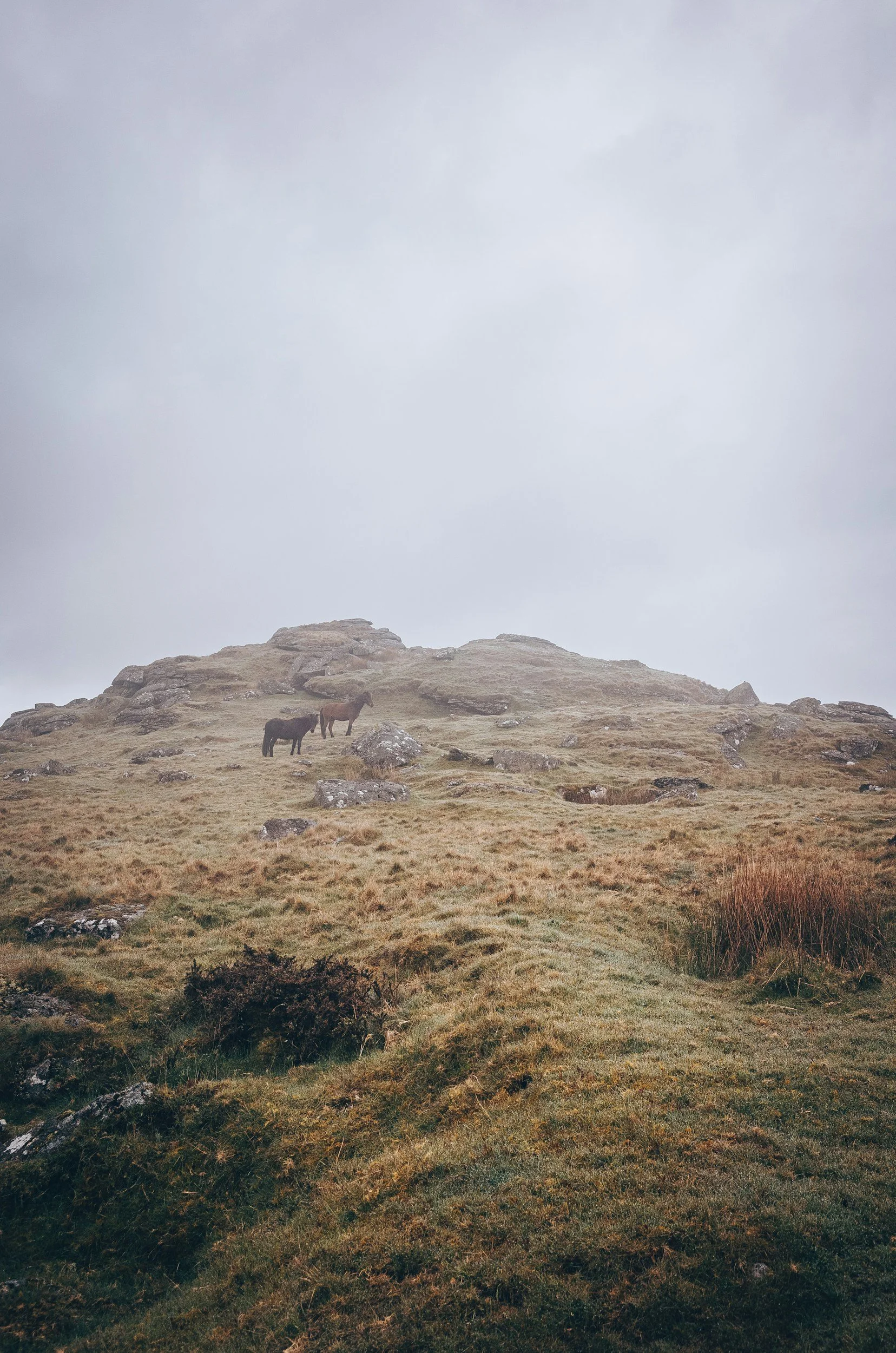
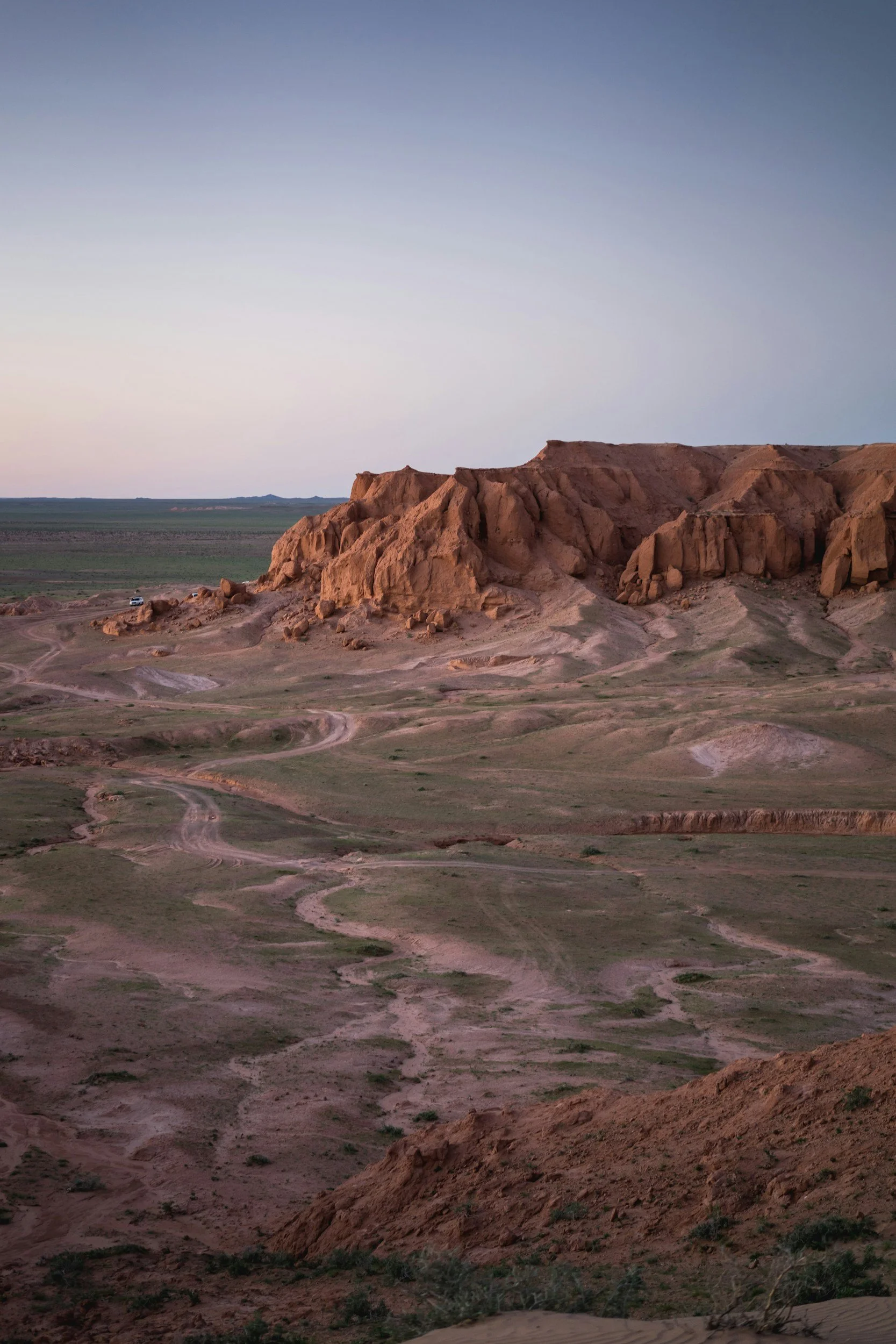
A commitment to land and place, formed through enduring relationships, reciprocity, and continuity, ensures that land remains primary rather than responsive to human schedules or demands. Human presence is secondary and contingent, shaped by the life of the land itself. What occurs does so gradually, through seasons, repetition, and sustained attention.
This perspective extends toward a future land and place held in this manner, where continuity and kinship take precedence over utilisation. Here, space is not a backdrop for activity but the condition that makes activity possible. In such contexts, place may offer educational and restorative experiences arising from time spent in relationship to local cultures and communities.
tērra animá is currently seeking its next long-term landholding.
WRITING & RESEARCH_03
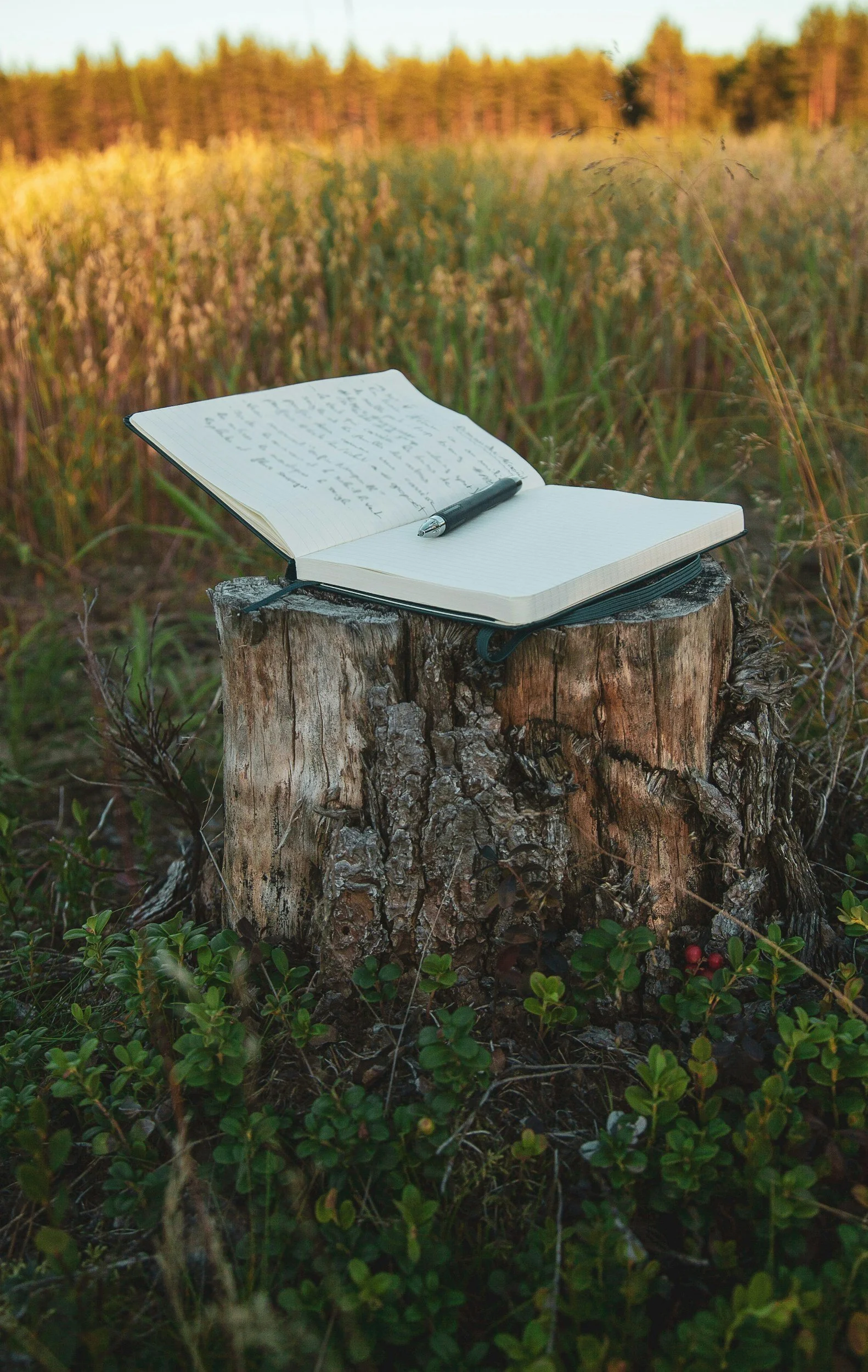
Writing and research form a gradual, ongoing process of inquiry developing through experience, reading, observation, field notes, and sustained engagement with land, animals, kinship, and lived conditions. Thinking takes place alongside material realities, attending to how life is actually lived.
Writing is used to test language and ideas, trace relationships, and examine where existing frameworks fall short in accounting for human and other-than-human life. It remains responsive to the conditions from which it emerges.
This area is interdisciplinary, drawing on anthrozoology, relational ecology, ethology, ecopsychology, anthropology, and related fields. It does not seek disciplinary authority or finality. Writing may take academic, reflective, or public forms, while remaining interconnected with the wider work and shaped by sustained attention.
We are open to ideas and collaboration.
COACHING _04
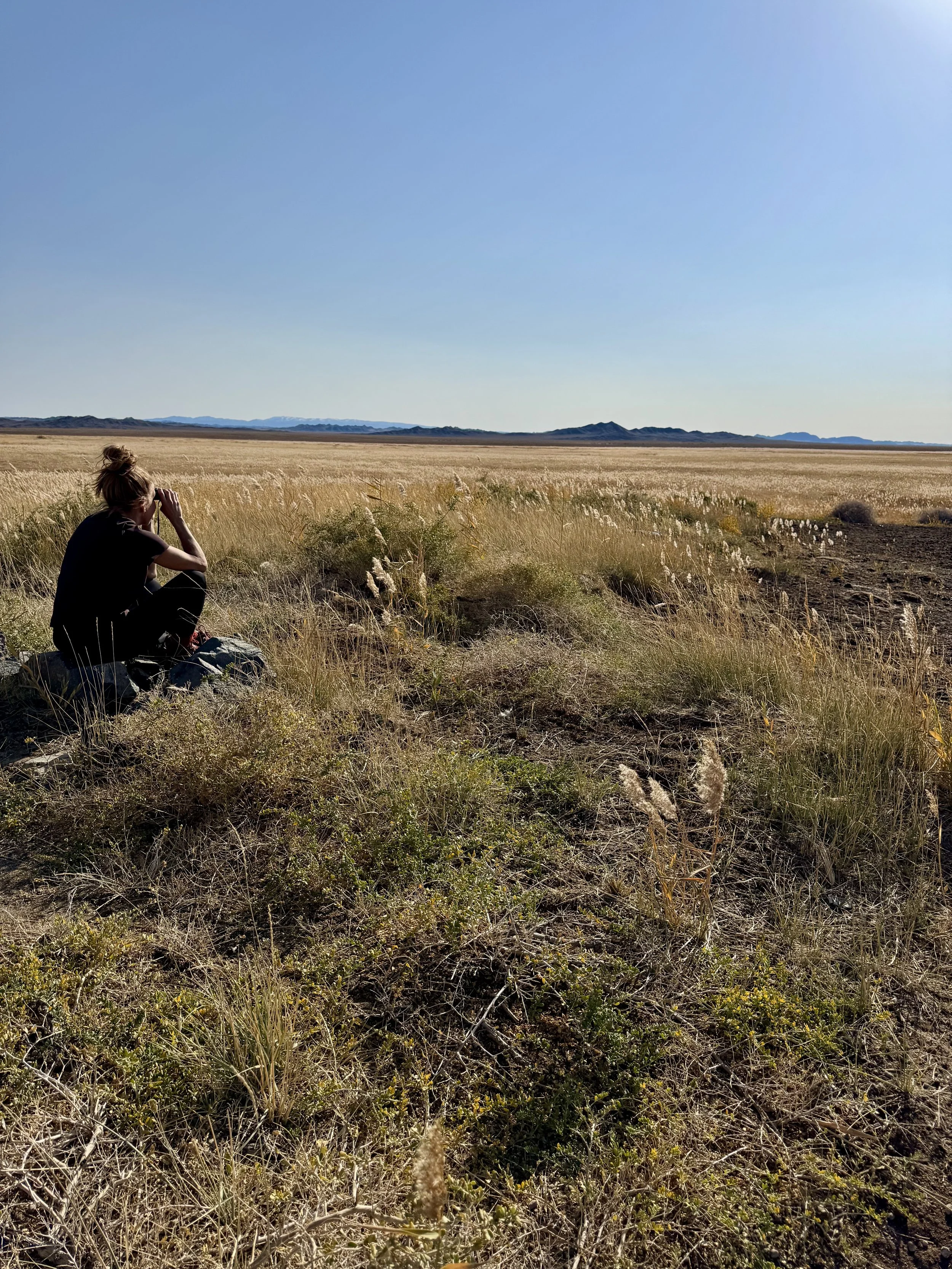
Coaching takes place through facilitated self-leadership, in conversation with the land and the natural world, and grounded in embodied presence. It unfolds through situated encounters and time spent in relation to living systems, where attention and reflection emerge through presence.
Sessions are offered one-to-one or in small groups, with engagement shaped by the conditions present. Conversation, where it arises, is responsive and grounded in what is encountered in place. The work emphasises reflective inquiry rooted in relationship and proceeds without predetermined agendas.
This approach is non-clinical and held within clear ethical boundaries, with respect for personal responsibility and restraint. When non-human animals are present, their involvement is voluntary and they are free to disengage at any time. This work is suited to those seeking depth, reflection, and relational ecological understanding.
Claire Martin (MNCIP) is a dual-qualified, registered, and insured coach with over 500 hours of continuing professional development.
ABOUT
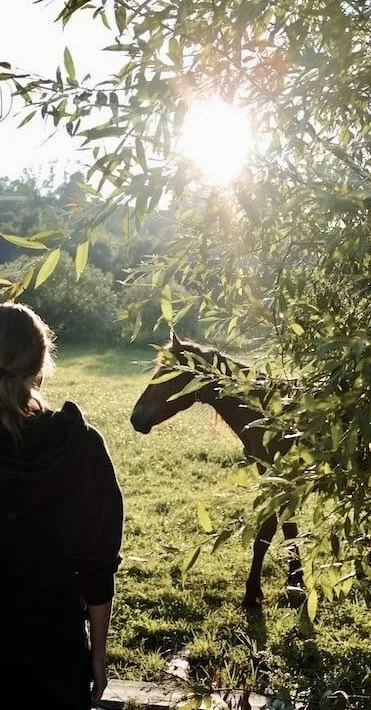
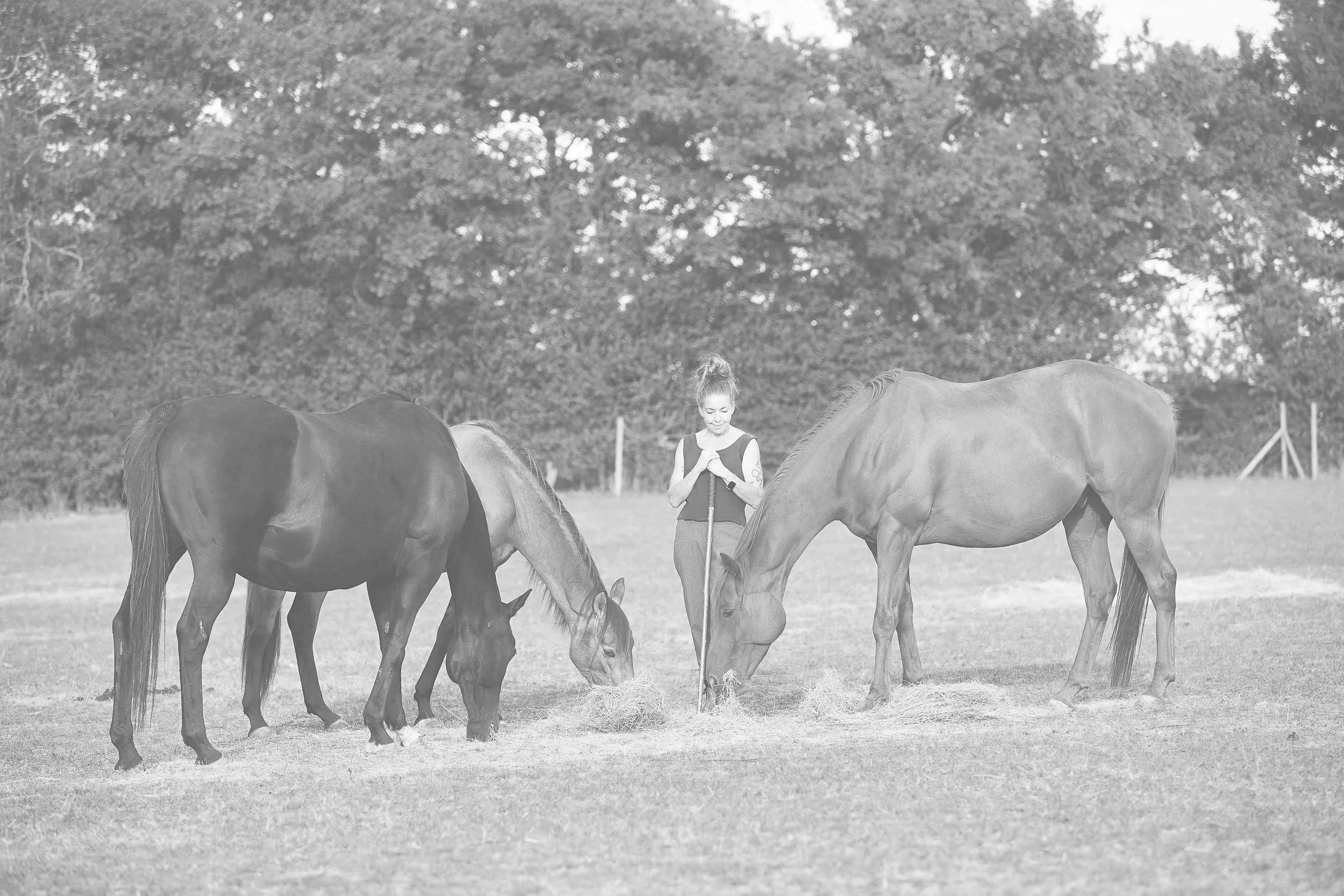
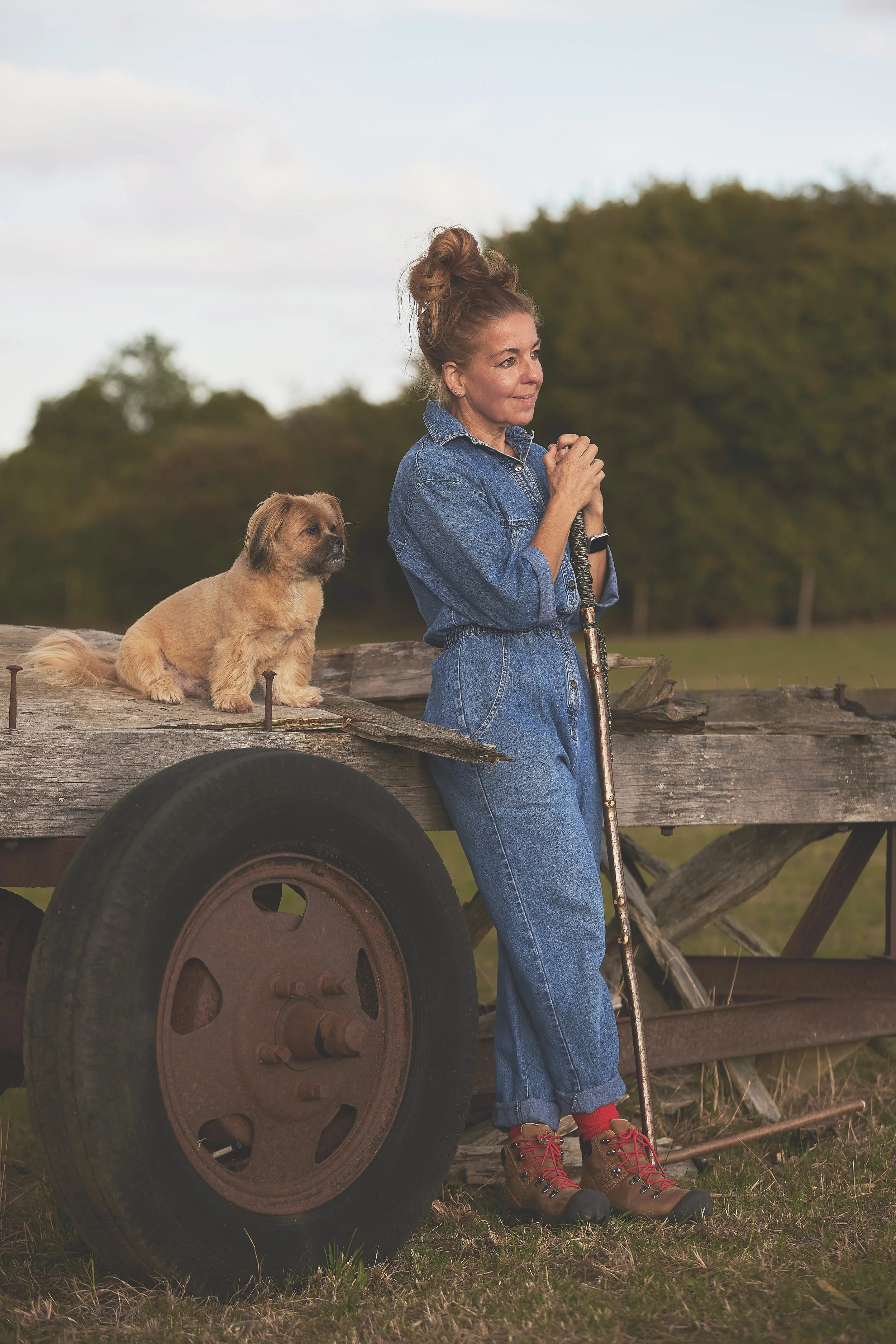
Claire Martin (MNCIP) is an anthrozoologist, land-based practitioner, and writer whose work explores relationships between humans, animals, land, and the natural world. Her practice is concerned with creating conditions in which relationships can develop over time, with attention to the moments where perception shifts and meaning emerges through encounter.
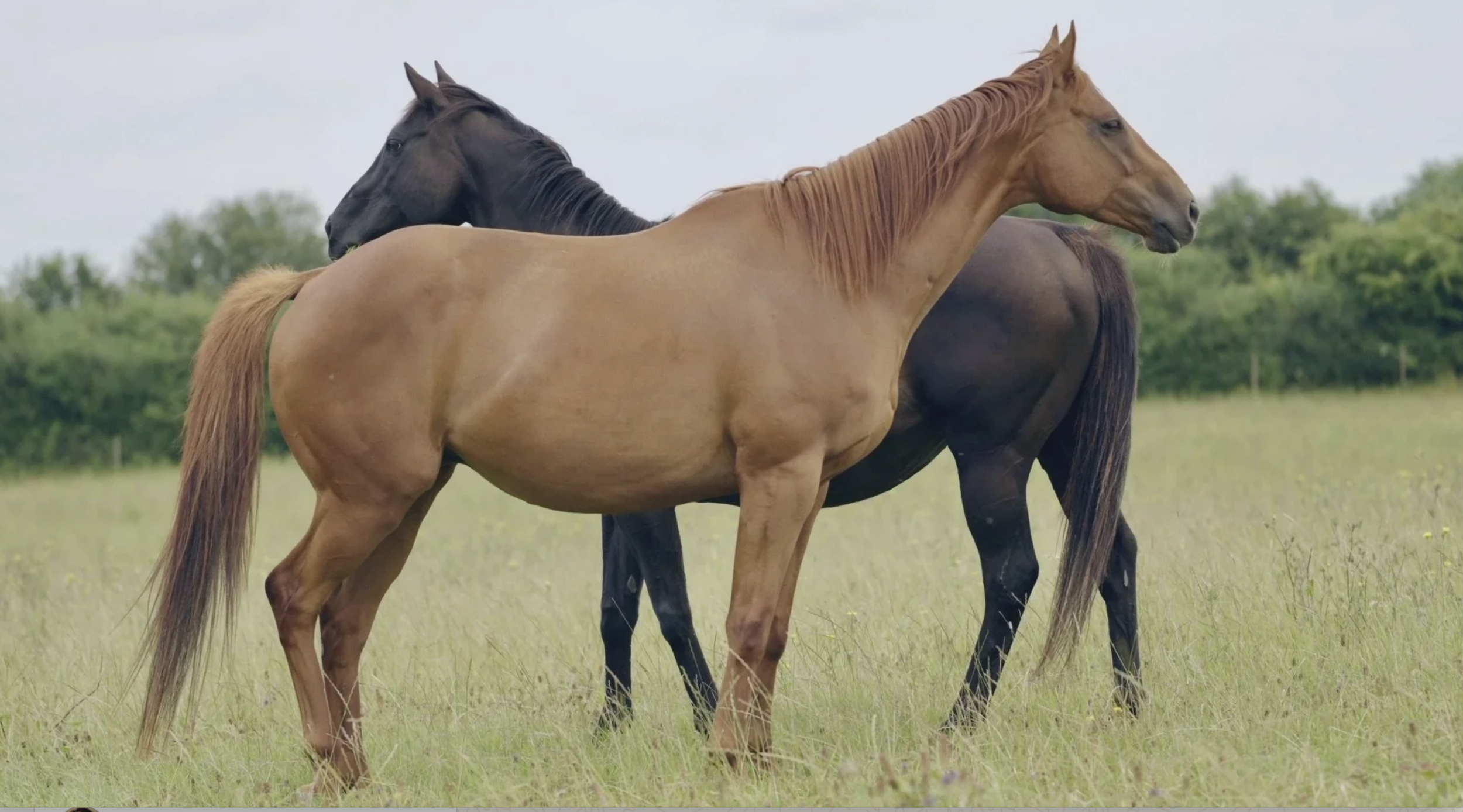
She is currently completing an MA in Anthrozoology at the University of Exeter. Her studies span ecopsychology, ethology, ecology, and mythology, and she approaches her work as an ongoing inquiry grounded in lived experience. With a lifelong connection to horses, including long-term observation of wild and free-ranging herds, her focus is on multispecies symbiosis, animal agency, and the ethical implications of human presence within living systems. This orientation is best described as relational ecology.
Alongside her academic and land-based work, Claire holds two qualifications in Equine-Facilitated Learning and maintains professional supervision and continuing professional development.
Claire is also the founding director of London-based creative workspace company Mill Co.
tērra animá is a developing body of work and will continue to evolve over time.